
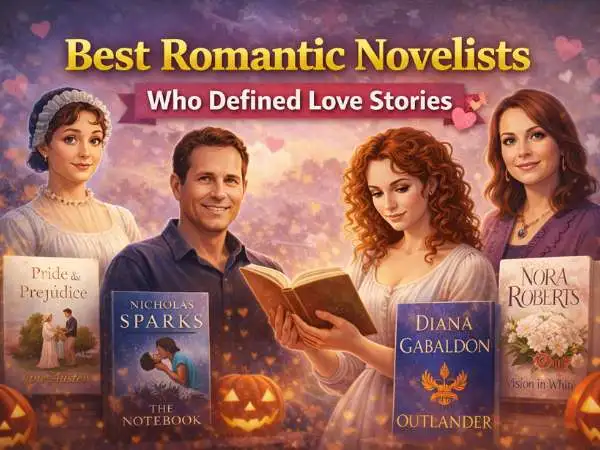

Romance never really goes out of style.
It changes tone. It shifts settings. It moves from drawing rooms to small towns, from ballrooms to outer space. But at its core, romance fiction remains about connection — two people finding each other despite obstacles.
The best romantic novelists don’t just write love stories. They write tension. Longing. Emotional risk. The quiet pause before a confession.
If you’re searching for the best romantic novels to read, it helps to start with the writers who shaped the genre — and those redefining it today.
Below is a curated guide across subgenres: classic romance, modern love stories, fantasy and sci-fi romance, historical fiction, and steamy contemporary hits.
The Foundations: Best Romantic Novels of All Time
Before modern publishing trends and viral TikTok recommendations, a handful of authors defined what romantic fiction could be.
Jane Austen
You can’t talk about the best romantic novels of all time without mentioning Pride and Prejudice. Austen’s brilliance wasn’t dramatic plot twists — it was emotional nuance. The slow burn between Elizabeth Bennet and Mr. Darcy still feels modern because it’s rooted in pride, misunderstanding, and growth.
Her novels balance social commentary with deeply personal love stories. That emotional realism is why she still anchors every “best romance” list two centuries later.
Charlotte Brontë
Jane Eyre reshaped romance by giving readers a heroine with agency. The relationship between Jane and Mr. Rochester is layered, flawed, and psychologically complex. It wasn’t just a love story; it was a story about self-worth and moral strength.
Nicholas Sparks
Jump forward two centuries and Sparks becomes a modern pillar of mainstream romance. The Notebook remains one of the most recognized love stories worldwide. His books lean into emotional intensity and bittersweet endings. They’re dramatic, yes — but undeniably effective.
also read : – Prostadine Colibrim, What People Search For, and What to Know Before Trusting Any Prostate Product
Modern & Contemporary Romance: The Writers Defining Today’s Love Stories
Modern romance thrives on relatability. These stories are less about aristocratic estates and more about career pressure, emotional baggage, and real-world complications.
Colleen Hoover
Few modern authors dominate romance conversations like Hoover. Her novels blend contemporary romance with emotional trauma and healing. Books like It Ends With Us explore complicated relationships rather than idealized ones.
Hoover’s strength lies in raw vulnerability. She writes messy, flawed characters — and readers respond.
Emily Henry
Henry’s novels, including Beach Read and Book Lovers, lean witty and self-aware. Her characters feel grounded. They argue. They misunderstand. They fall for each other in ways that feel believable.
She has helped redefine what best romantic novels to read means for a new generation: smart, sharp, emotionally satisfying.
Taylor Jenkins Reid
Though often categorized as literary fiction, Reid’s books like One True Loves revolve around romantic dilemmas rooted in identity and timing. Her storytelling blends love with self-discovery.
Fantasy & Sci-Fi Romance: Love Beyond Reality
Romance expands beautifully when it moves into speculative fiction. The stakes grow larger. The settings grow richer.
Sarah J. Maas
Maas changed the game for fantasy romance. Series like A Court of Thorns and Roses combine epic world-building with intense romantic arcs. Her relationships unfold over multiple books, allowing tension to simmer.
Fantasy romance readers often describe her work as addictive. It’s dramatic, emotional, and immersive.
Diana Gabaldon
Outlander blends historical fiction with time travel and sweeping romance. The relationship between Claire and Jamie spans centuries and continents. Gabaldon’s work proves that romance can anchor even the most expansive narrative structures.
Rebecca Yarros
With recent fantasy-romance hits, Yarros represents the modern crossover between high fantasy and emotional intimacy. Her work often mixes danger, competition, and deep romantic tension.
also read : – Ashcroft Capital Lawsuit, What Prompted the Legal Attention, and What Investors Are Watching Closely
Historical Romance: Sweeping, Elegant, and Enduring
Historical romance remains one of the most loyal segments of the genre.
Julia Quinn
Quinn’s Bridgerton series revived Regency romance for a global audience. Her books combine light humor with romantic tension. They’re accessible, charming, and character-driven.
Lisa Kleypas
Kleypas is known for emotionally layered characters set against rich historical backdrops. Her romances feel immersive without becoming overly dense.Georgette Heyer
Often credited as a pioneer of Regency romance, Heyer’s influence still shapes the genre. Her attention to period detail and witty dialogue created a blueprint many later authors followed.
Steamy & Other Subgenres: Expanding the Boundaries
Romance isn’t one tone. It ranges from sweet to explicit, comedic to dark.
E.L. James
Fifty Shades of Grey became a global phenomenon and brought steamy contemporary romance into mainstream conversation. Whether loved or criticized, its cultural impact is undeniable.
Sylvia Day
Day’s novels blend passion with character-driven storytelling. Her work appeals to readers seeking emotional intensity paired with explicit content.
Tessa Bailey
Bailey represents modern steamy romance done with humor and strong character voices. Her books balance heat with emotional depth.
also read : – Motilal Oswal MO Investor App Review : Know everything in detail
Why Romantic Fiction Endures
Romance novels are often underestimated. Yet they consistently top bestseller charts. The reason is simple: they promise emotional payoff.
Readers return to romance because it guarantees hope.
Even in darker subgenres, the arc bends toward connection. That reassurance matters — especially in uncertain times.
Modern romance has also grown more inclusive. Diverse voices now lead the genre. LGBTQ+ romance, interracial relationships, and culturally specific narratives are expanding what love stories look like.
The best romantic novelists understand that love is universal — but the way it unfolds is deeply personal.
How to Choose the Best Romantic Novels to Read
Start with tone.
Do you want light and funny? Try contemporary romance.
Do you want epic and immersive? Fantasy romance may be your entry point.
Do you want elegance and longing? Historical romance delivers.
Do you want intensity? Explore steamy subgenres.
The key isn’t picking the “right” one. It’s picking the one that fits your mood.
Final Words
The best romantic novelists don’t just write about love. They write about risk. About growth. About timing. About the courage it takes to be vulnerable.
From Austen’s sharp wit to modern fantasy epics, romance fiction continues to evolve without losing its core promise: connection matters.
If you’re looking for the best romantic novels of all time or simply the best romantic novels to read next, start with the authors who consistently build emotional worlds readers want to live inside.
Because at the heart of every unforgettable love story is something simple.
Two people choosing each other.
also read : – How Digital Tipping Screens Are Changing the Way We Tip (And What’s Up with Fake Tip Screens?)
FAQ
Who is considered the best romantic novelist of all time?
Jane Austen is widely regarded as one of the most influential romantic novelists due to the enduring popularity of Pride and Prejudice and her impact on the genre.
What are the best romantic novels to read right now?
Modern favorites include works by Colleen Hoover, Emily Henry, and Sarah J. Maas, depending on whether you prefer contemporary or fantasy romance.
What is the difference between contemporary and historical romance?
Contemporary romance is set in present-day settings, while historical romance takes place in earlier time periods such as Regency England or Victorian society.
Are fantasy romance novels considered real romance?
Yes. Fantasy romance centers on a romantic relationship but includes world-building elements like magic or alternate realities.