

Instagram: @maximushamilton.official
At nine years old, Maximus Hamilton had a recorded IQ of 127 and a school that wanted to move him to a special needs class. His mother Alanna, pushed back. So did the mentor she went looking for.
Early Challenges
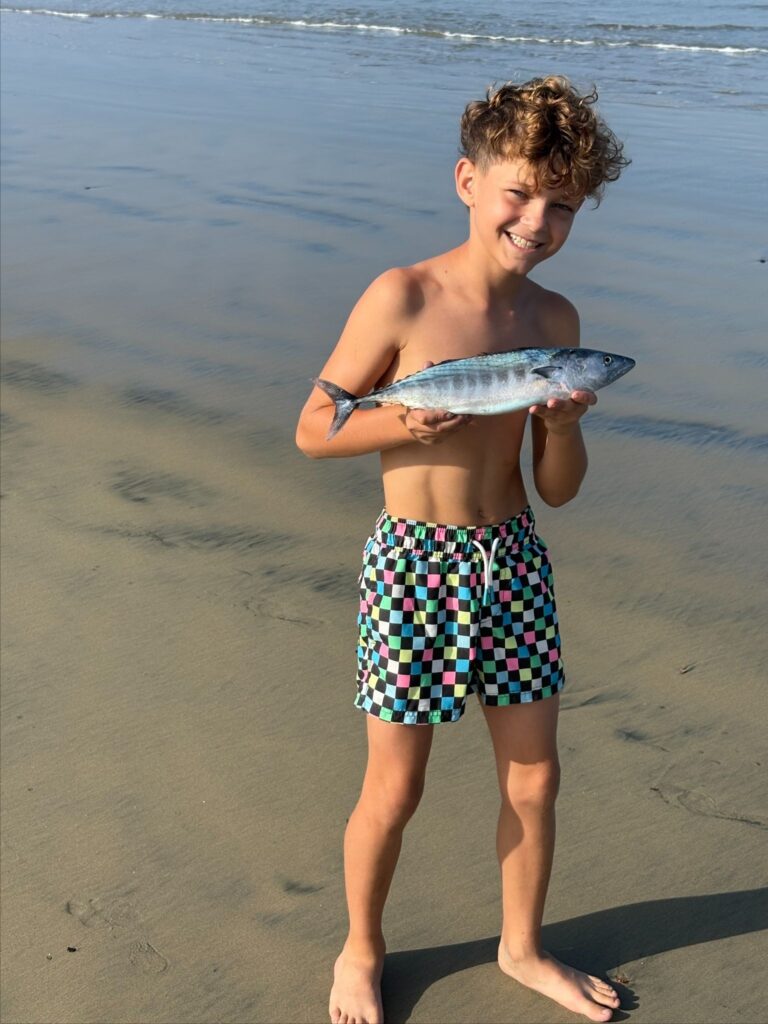
From the start, Max didn’t move through school the way the system expected. He switched schools in kindergarten because, as he later wrote in his 2026 book Bitcoin Mission and Silver, his teachers “did not really understand how to teach me.”
“Active kids are always overachievers, and Maximus has always been active,” his mother Alanna says. “I knew at a young age that I never had to worry about him. Maximus is an old soul.”
By fourth grade, concerns about his performance in class began to surface, and the school started considering moving him to a special needs class, citing his disruptive behavior and unfinished assignments. Part of it came down to a three-week trip to Europe with Alanna, during which he accidentally left his school backpack behind. When he returned, Max had fallen behind and struggled to catch up.
Alanna didn’t accept it quietly. She sought legal advice and challenged the decision.
Looking back, Alanna sees that period differently. “He just needed the right people around him to show him what that meant,” she says.
A Different Path

Brian first met Max through his mother, Alanna.
“Alanna is a single mom and had sought out positive male mentors to provide a fatherly influence in Max’s life,” he says. “That’s how I came to know Max.”
It didn’t take long for Brian to notice qualities in Max that stood out.
“I knew Max was smart just by talking to him,” he recalls. “Conversations about what’s important in life, success, big dreams—he was right there with you.”
“I didn’t see a kid who couldn’t learn,” he says. “I saw a kid who wasn’t interested in what was in front of him. When we started talking about money, technology, big ideas, and goals, he was completely engaged.”
“Max was falling behind not because of ability, but because of lack of interest,” Brian says. “Children acquire knowledge and information in different ways. Some are more visual, others more auditory, and some learn best through hands-on experience.”
At the time, questions about Max’s educational placement were still being discussed.
“Alanna told me Max needed to read more than 100 pages of a book in a very short time,” Brian recalls. “She asked if I could help because I was a strong reader and had Max’s attention as a mentor.”
Brian tried reading part of the book himself. “I read a few pages and I was bored,” he says. “I could understand why it wasn’t holding his attention.”
Instead of pushing harder, Brian thought about what already had Max’s attention, which included money, technology, entrepreneurship, and people like Elon Musk.
“So, I made him a deal,” Brian says. “I told him, ‘If you complete this reading assignment, I’ll give you a book you’ll love. I think it fits your interests, and it might even change your life.’”
Curious, Max asked for the title.
Brian told him it was Rich Dad Poor Dad.
He completed the school assignment within days. As promised, Brian sat down with him and read the opening chapters of Rich Dad Poor Dad. Max took the book home that evening and finished the rest a few days later.
“Before reading it, I thought money mostly came from getting a job, working hard, and saving what you earn,” Max later wrote. “After reading it, I realized there is another level to the game.”
According to Brian, Rich Dad Poor Dad did not introduce entirely new ideas to Max. Instead, it gave structure to interests he had already been developing.
Max soon began keeping a journal. What started as notes on money, investing, Bitcoin, and business gradually expanded into reflections on the future he envisioned for himself. Alongside financial goals were more personal aspirations, including his hope of one day getting married.
As the journals grew, Brian began to see the outline of something larger.
“Wow,” he remembers thinking. “You know, Max, you should share these ideas. You should write a book.”
Naturally, when Max asked for help, Brian agreed.
Those journal entries eventually became Bitcoin Mission and Silver, which Max published at age 10.
The proposed reassignment never materialized. Then, in the months that followed, Max continued writing, reading, and exploring subjects that interested him.
Building the Portfolio
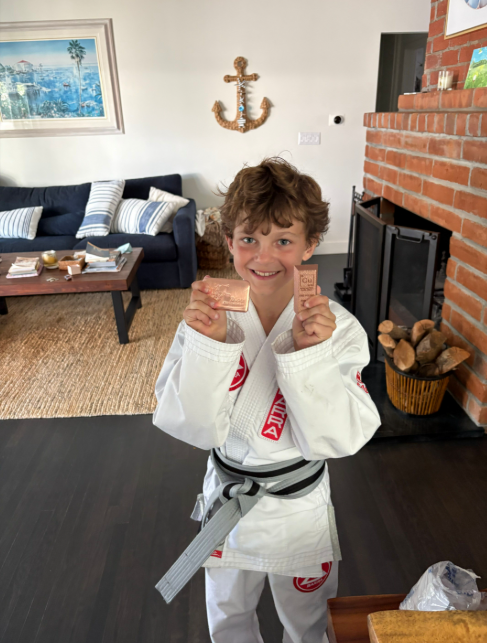
At 10 and a half, Max began putting his allowance into assets rather than spending it. First came gold, silver, and copper, then Bitcoin.
Outside of investing, he spends much of his time on jujitsu, baseball, and traveling with his mother. He plays competitive baseball and currently pitches at 53 mph.
“Some people only see baseball as hitting, pitching, catching, and scoring runs,” he says. “I see discipline, pressure, patience, preparation, and the mindset it takes to win.”
“That’s just how Max thinks,” Brian says. “Once something connects with him, he goes all the way with it.”
“When a new technology makes the old world pay attention, it matters,” he wrote. “Bitcoin forced people to ask important questions about money, inflation, trust, and technology.”
Looking Ahead
Today, Max is turning 11 soon. He is sharing his life and learning on his social media, he’s starting a podcast, The Future by Maximus, and a portfolio he started before he finished primary school. Yet when he talks about his work, he often returns to what other young people might do with their own ideas.
“Maybe another kid reads this and starts learning early,” he writes. “Maybe someone starts saving instead of wasting. Maybe someone realizes their future is still buildable.”
Looking back, Alanna reflects on how it all unfolded. “At only 10 years old, he sat down and wrote a book,” she says. “I was surprised. I didn’t think a kid his age could think that way.”
Brian remembers the kid who sat across from him and made a deal over a book he didn’t want to read. “Max was not dumb,” he says. “His untapped brilliance just wasn’t being drawn out. It took the right conversation at the right time.”
“Some people inherit advantages,” Max writes. “Some people wait for opportunities. Some people blame circumstances. I choose to build.”